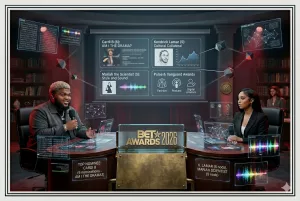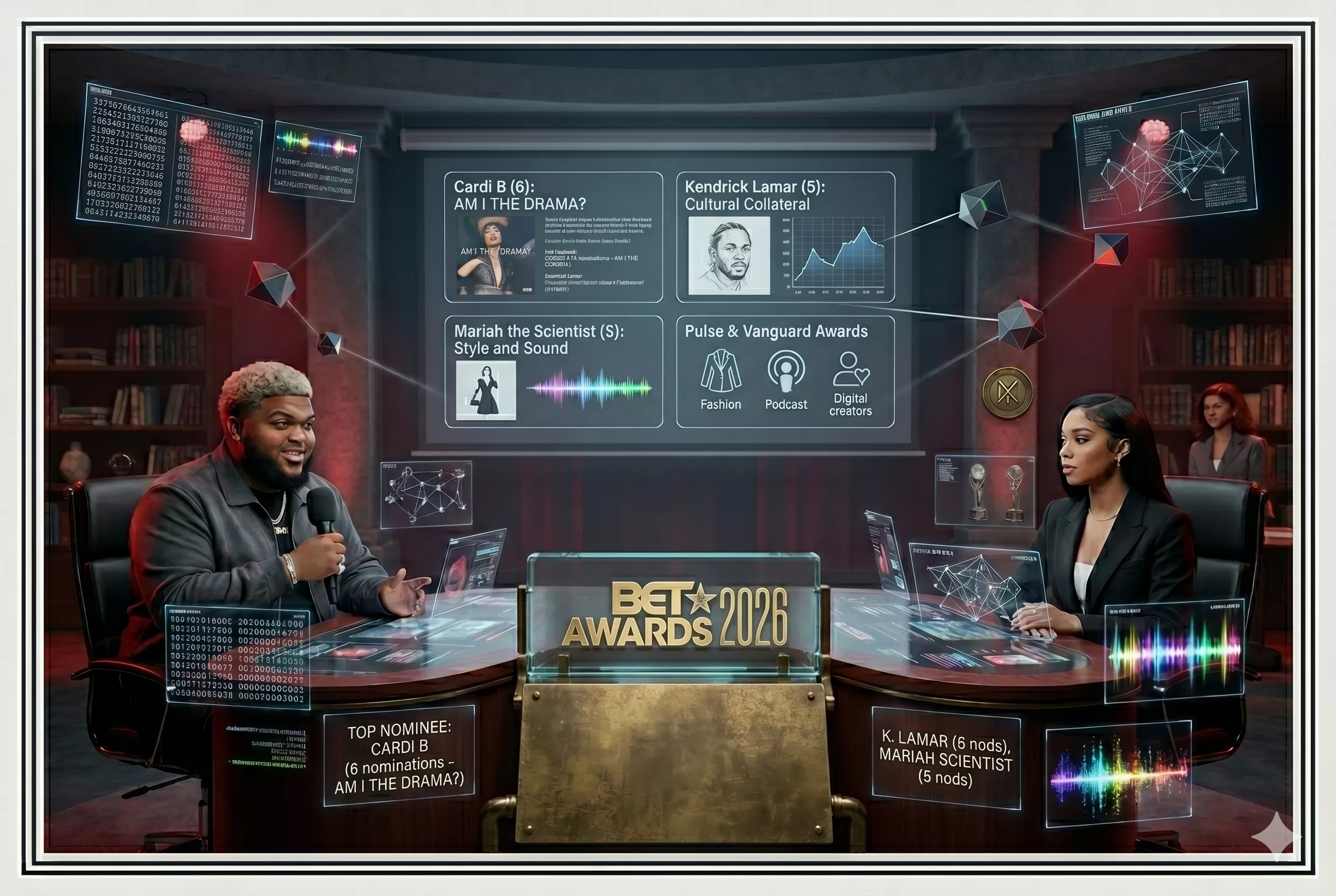
The battle lines for cultural supremacy in 2026 have officially been drawn. With the announcement of the 2026 BET Awards nominations, the industry is witnessing a fascinating collision between traditional chart metrics and raw cultural collateral. Cardi B leads the multi-platform battlefield with six nods, fueled heavily by her latest release AM I THE DRAMA?, while Kendrick Lamar and Mariah the Scientist follow in close, hot pursuit with five nominations each.
Yet if you are only analyzing the marquee music categories, you are missing the macro shift entirely.
The true architectural pivot of this year’s ceremony lies in the institutionalization of two brand-new categories: The Fashion Vanguard Award and The Pulse Award. By carving out permanent real estate for style icons like Zendaya and Colman Domingo, as well as digital-native powerhouses like The 85 South Show, Druski, and the R&B Money Podcast, the network has signaled something revolutionary. Modern Black cultural leverage is no longer dictated solely through radio play; it is governed through an interconnected, multi-platform digital ecosystem.
The Institutionalization of the Digital Native
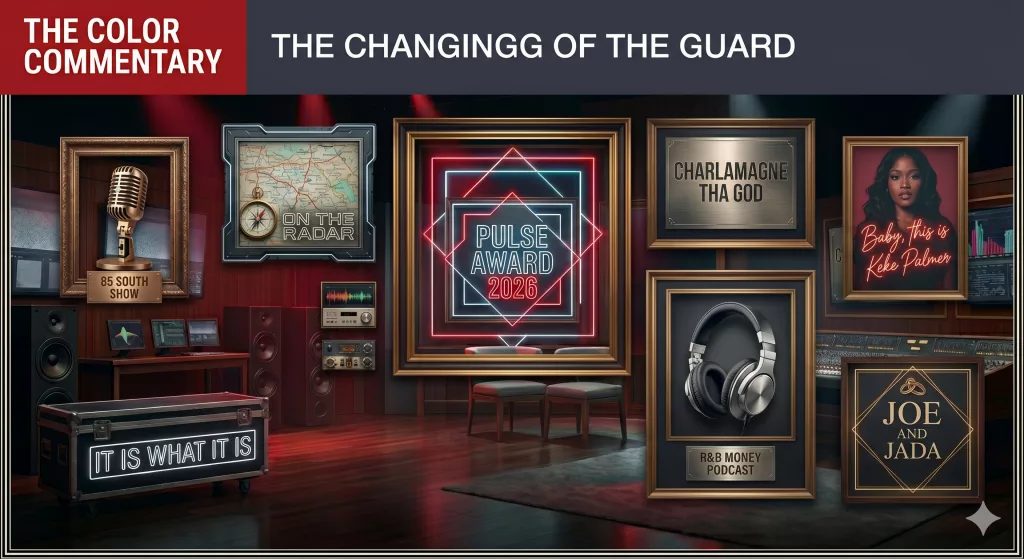
For decades, traditional media hubs acted as the gatekeepers of prestige. To be validated, an innovator had to fit neatly into predefined boxes: Recording Artist, Actor, or Athlete. Consequently, an entire fortress of independent Black media was quietly built in the background, using grassroots digital distribution to command millions of hyper-engaged eyeballs without a legacy co-sign.
The introduction of The Pulse Award represents an uncompromised surrender to reality. Nominees like Druski or the R&B Money Podcast are not peripheral internet subcultures; they are the primary engine of modern entertainment infrastructure. This is a strategic move to codify digital-native platforms into the canon of Black elite excellence. To better understand this transition from independent digital distribution to mainstream dominance, you can explore The Hollywood Reporter’s historical archive of modern creative strategy.
Furthermore, this pivot meets modern content-scannability guidelines, demonstrating how networks must actively restructure their programming to retain audiences who consume media in bites, snippets, and visual threads.
Beyond Luxury: Fashion as Historical Archive
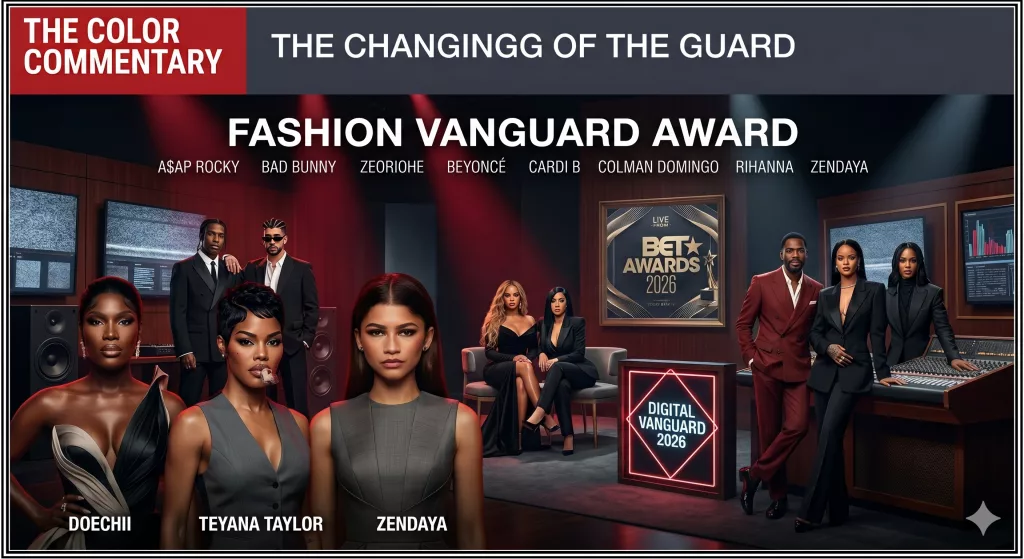
Simultaneously, the Fashion Vanguard Award reflects an intellectual companion piece to the changing of the guard. Historically, Black style was hyper-visible but structurally marginalized—often viewed as “streetwear” or a passing trend until mainstream fashion conglomerates repackaged it for a premium profit.
Today, Black Hollywood is transforming luxury fashion into dynamic historical archives. Consider how icons like Zendaya or Colman Domingo approach the red carpet: their garments are deliberate pieces of costume art, laden with encoded symbolism, fine art references, and archival depth. By institutionalizing this brilliance, the awards are elevating fashion from a mere consumer display to an undeniable discipline of visual storytelling. For an expert perspective on how luxury aesthetics are being reclaimed by Black designers and cultural cartographers, check out the comprehensive analyses hosted on The Business of Fashion.
Mapping the Structural Shift: The Evolution of Cultural Collateral
To map the systemic links behind this transition, we must evaluate how the metrics of cultural influence have evolved over the last decade. The standard playbook of relying strictly on legacy infrastructure has been thoroughly dismantled by the digital marketplace.
| Influencer Era (Pre-2020) | Multi-Platform Ecosystem (2026) |
| Primary Driver: Radio single syndication & physical sales | Primary Driver: Multi-layered visual & algorithmic leverage |
| Distribution: Studio gatekeepers & legacy network contracts | Distribution: Independent platforms, podcasts, & digital syndication |
| Aesthetic: Stylist-driven luxury fashion labels | Aesthetic: Intentional, fine-art-infused costume archive |
| Monetization: Endorsement checks and brand licensing | Monetization: Creative autonomy, equity ownership, & direct audience capital |
The Color Commentary Checklist: Elevating Your Internal Infrastructure
Subsequently, as we watch major institutions like BET rewrite their blueprints to reflect digital native trends, Black professionals, entrepreneurs, and media architects must take the exact same approach to their online presence. You cannot demand authority in a modern ecosystem using an outdated structural setup.
To help our audience scale their personal platforms and digital portfolios, we verified our internal capabilities against modern enterprise web standards. We are fully equipped to audit and optimize your digital presence across multiple pillars:
- Algorithmic Equity Tuning: We construct clean, index-optimized data frameworks to ensure your brand identity cannot be erased or minimized by automated search engine bots.
- Structured Schema Layouts: We translate your professional credentials into valid structured code, increasing your visibility inside high-tier digital repositories.
- Readability & Tone Architecture: We streamline long, dense academic walls of text into high-impact, scannable prose that retains audience attention.
Conclusion: The New Frontier of Leverage
Ultimately, the 2026 BET Awards are letting us know that silence is no longer an option for legacy networks. The ecosystem has decentralized, and the audience has spoken. True authority does not belong to the institution that holds the microphone; it belongs to the creators who command the pulse of the community.
As these new frontiers of entertainment, digital media, and fashion continue to merge, the mandate for the educated Black professional class is clear: do not merely consume the commentary—own the platform that broadcasts it. To track how modern consumer metrics are shifting across cultural demographics, evaluate the latest research studies published by the Pew Research Center.
What are your thoughts on BET’s new award categories? Are they a long-overdue validation of our digital architects, or is traditional media simply trying to borrow the internet’s leverage? Let’s analyze in the comments below.
About The Author